2026-10-08 · David Miller
Humidity Effects on Home Electrical Systems in Apopka
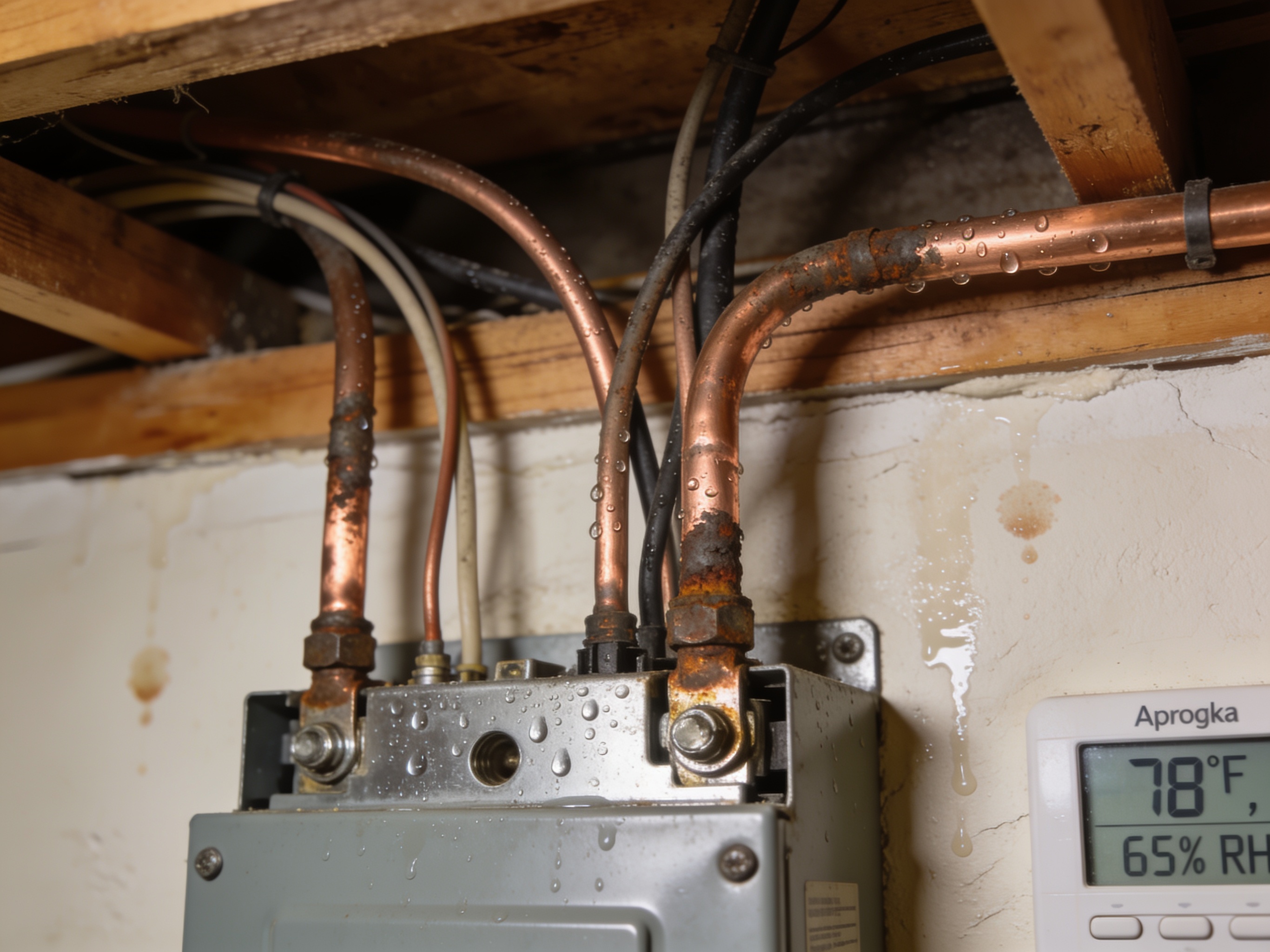
Apopka's humid subtropical climate, characterized by hot, muggy summers and mild, damp winters, profoundly affects home electrical systems by promoting corrosion, degrading insulation, and increasing the likelihood of electrical shorts and ground faults. The constant presence of high moisture in the air, especially during the long summer months when humidity levels often hover above 70%, creates an environment where electrical components are under continuous stress. This persistent moisture can lead to a host of problems, from nuisance tripping of breakers to serious fire hazards, making proactive maintenance and timely repairs crucial for homeowners in areas like Downtown Apopka, Plymouth, and Lockhart.
The Silent Threat: How Humidity Corrodes Electrical Components
Humidity is a silent, relentless enemy of electrical systems. In Apopka, where the air often feels thick with moisture, this threat is amplified. Metal components within your electrical panel, outlets, switches, and even wiring are susceptible to oxidation and corrosion. Over time, this corrosion can lead to increased electrical resistance at connection points. Higher resistance generates heat, which can further degrade insulation and create a dangerous cycle. This is particularly true for older homes in Orange County, many of which were built with wiring materials that are less resistant to moisture-induced degradation than modern alternatives. When you see rust or a greenish-blue powder on terminals, it's a clear sign that humidity has been at work.
Corrosion doesn't just affect the visible parts; it penetrates deep into conduits and junction boxes, often unseen until a problem arises. For instance, the main service panel, typically located in a garage or utility room, is a prime target. As metal contacts corrode, the flow of electricity becomes impeded, leading to intermittent power, flickering lights, or even complete circuit failure. This can be especially problematic in homes with older electrical systems that may not have been designed with today's high humidity levels and increased power demands in mind, making a full assessment of your home's electrical integrity essential.
Insulation Breakdown: A Major Humidity Hazard
Electrical insulation, designed to prevent current from straying outside its intended path, is highly vulnerable to prolonged exposure to humidity. In Apopka's climate, moisture can permeate the protective sheathing around wires, especially in older homes where the insulation might be cloth-covered or an early form of plastic that becomes brittle over time. Once moisture gets in, it can reduce the dielectric strength of the insulation, meaning it loses its ability to resist electrical current. This can lead to short circuits as electricity finds an unintended path, often to ground or another conductor.
The consequences of insulation breakdown range from inconvenient to dangerous. You might experience frequent tripping of circuit breakers, especially during heavy rain or particularly humid days. More alarmingly, compromised insulation can create arc faults, which are a leading cause of electrical fires. This is a significant concern for homes in neighborhoods like Plymouth or near Wekiwa Springs State Park, where older housing stock is common. Recognizing the signs of failing insulation, such as discolored outlets or a burning smell, is crucial. If you suspect your home has aged or compromised wiring, addressing it promptly, perhaps through a <a href="/services/whole-house-electrical-rewiring">whole house electrical rewiring</a>, is vital for safety.
Increased Risk of Electrical Faults and Fire Hazards
Beyond corrosion and insulation breakdown, humidity directly contributes to an increased risk of various electrical faults, including ground faults and short circuits. When moisture creates a conductive path where there shouldn't be one, electricity can bypass its intended route. This is particularly dangerous in areas like bathrooms, kitchens, and basements where water sources are common. Even high ambient humidity in living spaces can create enough conductivity for minor faults to occur, leading to nuisance tripping of Ground Fault Circuit Interrupters (GFCIs) or Arc Fault Circuit Interrupters (AFCIs).
In worst-case scenarios, these faults can escalate into serious fire hazards. The heat generated by excessive resistance or arcing can ignite nearby combustible materials, turning a minor electrical issue into a catastrophic event. This risk is amplified in homes with outdated wiring, such as <a href="/services/aluminum-wiring-replacement">aluminum wiring</a>, which can have inherent issues exacerbated by environmental factors like humidity. Homeowners in Apopka, from the bustling Downtown area to the quieter Lockhart community, should be vigilant about any unusual electrical behavior, especially when the humidity is high. Regular inspections by a qualified electrician can help identify these risks before they become critical.
Practical Steps for Apopka Homeowners
Given Apopka's climate, there are several practical steps homeowners can take to mitigate humidity's impact on their electrical systems: